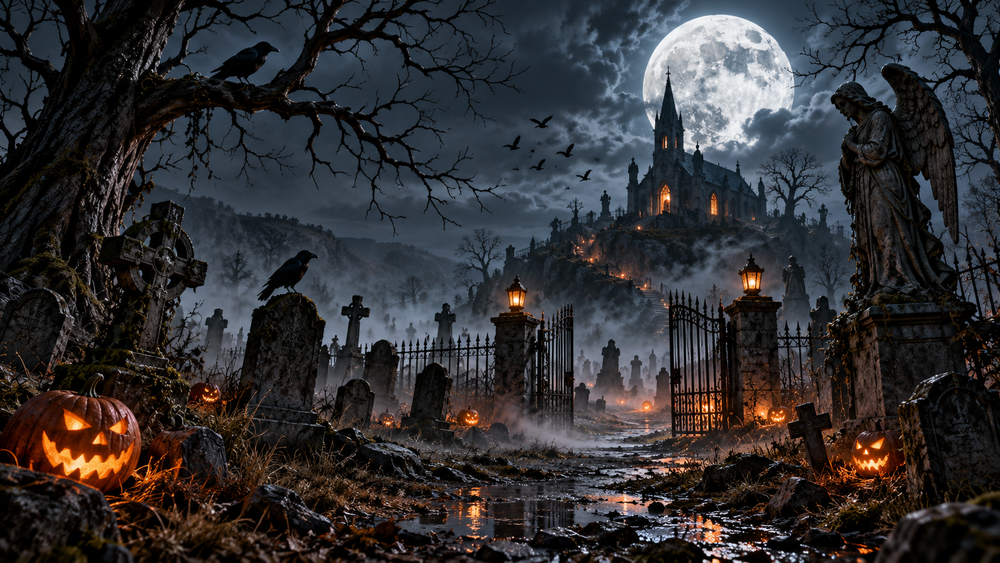
How Horror Became Part of Halloween Culture is a topic many people search for while planning Halloween at home, at school, in a neighborhood, or as part of a larger community celebration. This guide explains How Horror Became Part of Halloween Culture in a practical way, with clear ideas, planning considerations, useful examples, and common questions.
Quick answer: How Horror Became Part of Halloween Culture is best understood by separating the core idea from the way Halloween traditions have changed over time. The practical takeaway is to focus on the meaning, context, and modern use of How Horror Became Part of Halloween Culture, then adapt it to your family, neighborhood, budget, age group, or event.
Choose by Audience and Mood
Halloween viewing and reading choices range from gentle seasonal stories to intense horror. For how horror became part of halloween culture, start by deciding whether the mood should be funny, nostalgic, mysterious, spooky, or genuinely frightening.
Build a Balanced Lineup
A strong Halloween media night can combine:
- a main movie or book;
- a shorter warm-up selection;
- themed snacks;
- a playlist before or after;
- optional trivia or discussion;
- comfortable lighting and seating.
If children are involved, check age ratings and content descriptions rather than relying only on a title’s reputation.
Classic vs. Modern Picks
Older works can provide atmosphere and genre history, while newer releases may offer faster pacing, updated effects, or contemporary themes. Mixing both can make a marathon more interesting.
Make the Experience Intentional
Turn how horror became part of halloween culture into an event rather than simply pressing play. Choose a start time, dim the room, prepare snacks before the feature begins, and avoid interrupting the main selection with complicated serving or cleanup.
Practical Checklist
Before finalizing your how horror became part of halloween culture plan, check the following:
- Is the idea appropriate for the age group?
- Does it fit the available time and budget?
- Will it work indoors, outdoors, or both?
- Are there weather, allergy, mobility, or safety concerns?
- Do you need tickets, reservations, supplies, batteries, or special tools?
- Can you simplify the plan if something changes?
- Is cleanup or storage manageable afterward?
- Are there local rules, school policies, venue restrictions, or neighborhood expectations to consider?
A short checklist prevents most last-minute problems.
Common Mistakes to Avoid
One common mistake is adding too many elements without a clear priority. Another is waiting until the last minute to test supplies, costumes, recipes, decorations, tickets, or transportation.
For how horror became part of halloween culture, avoid assuming that an idea will work for every age group or setting. Also avoid sacrificing visibility, mobility, food safety, or weather preparation simply to make something look more dramatic.
Finally, keep expectations realistic. Halloween is usually more enjoyable when the plan is easy to execute and leaves time to participate in the celebration.
Frequently Asked Questions
What is the easiest way to start with how horror became part of halloween culture?
Start by defining the audience, location, budget, and amount of time available. Then choose one strong idea rather than several complicated ones.
How far ahead should I plan how horror became part of halloween culture?
Simple plans may need only a few days, while tickets, group costumes, large parties, or elaborate decorations may require several weeks.
How can I keep the plan budget-friendly?
Reuse items you already own, focus on one focal point, compare DIY and purchased options, and avoid buying specialty items that will only be used once.
What should families prioritize?
Comfort, visibility, age-appropriateness, transportation, allergies, and a clear schedule should come before elaborate presentation.
Can this be adapted for a school or community event?
Usually yes. Simplify scary elements, check local policies, plan for larger groups, and choose activities that are easy to supervise.
Final Thoughts
How Horror Became Part of Halloween Culture becomes easier to plan when you focus on the people involved, the setting, and the experience you want to create. Use the ideas in this guide as a starting point, then adapt them to your own Halloween traditions, schedule, and comfort level.