Lohri and Makar Sankranti (original comparison table)
This table is preserved from your original page.
| Festival | Description | Relation to Sankranti | Significance | Celebration | Difference from Makar Sankranti |
|---|---|---|---|---|---|
| Lohri | Lohri, a well-known winter festival, is mainly celebrated by Sikhs and Hindus from the Punjab region of the Indian subcontinent. It signifies the end of winter and is traditionally held on January 13th. | Lohri is observed the day prior to Makar Sankranti and is connected to the solar cycle, while Sankranti is associated with the zodiac sign of Capricorn (Makara in Sanskrit). | Lohri celebrates the harvest of winter crops, expressing gratitude to the natural elements, particularly fire and sun, for their blessings on the Rabi crops. | Festivities consist of gathering around a bonfire, singing and dancing, and enjoying traditional foods such as gajak, sarson da saag with makki di roti, and puffed rice. Participants toss sesame seeds, jaggery, and rewaris into the flames as a gesture of releasing the past and embracing the future. | Lohri is primarily observed in Punjab and is deeply rooted in cultural traditions, particularly in celebrating the winter crop harvest. In contrast, Makar Sankranti is a religious festival celebrated throughout India under different names and customs, signifying the sun's move into the Capricorn zodiac sign. |
| Makar Sankranti | Makar Sankranti is a pan-Indian solar festival known by various names in different parts of the country. It is observed each year in January and marks the first day of the sun's transit into Makara (Capricorn), signaling the end of the month with the winter solstice and the start of longer days. | Makar Sankranti occurs the day following Lohri and is connected to the astrological event of the sun's entry into Capricorn. | The festival holds great importance as it honors the sun god Surya, signifying the start of a fortunate period and the conclusion of an unfavorable time. It is a time for celebrating the new harvest season, symbolizing change and fresh starts. | Makar Sankranti is observed by partaking in ceremonial river baths, kite-flying, and sharing sesame seed and jaggery sweets. It is also known as Pongal in Tamil Nadu, Magh Bihu in Assam, and Uttarayan in Gujarat. | Makar Sankranti is celebrated more widely across India and has different cultural manifestations, whereas Lohri is predominantly a Punjabi festival. Sankranti is more about the sun's transition and is marked by kite flying and holy dips, while Lohri is centered around the bonfire and harvest celebration. |
Lohri rituals and traditions
Bonfire (Lohri da Ag)
Families come together around a bonfire, singing folk songs, offering prayers, and circling around it.
Offerings
Sesame, jaggery, rewri, gajak, peanuts, and popcorn are presented as offerings of gratitude to the fire.
Dhol & Bhangra/Giddha
Traditional dancing and dhol beats create a joyful community vibe.
Community sharing
Neighbors, friends, and visitors are treated to Prasad and festive snacks.
Traditional Lohri foods
Winter treats
Rewri, gajak, peanuts, popcorn, til laddoo, and jaggery-based sweets.
Punjabi meal favorites
Mustard greens with cornbread, chickpeas, rice pudding, and hot tea.
Sankranti sweets
On Makar Sankranti, it is also common to find til-gud/tilkut and sesame-jaggery
Lohri → Sankranti: 2-day festival flow
1
Night of Jan 13
Lohri celebrations with bonfire, songs, dance, and offerings.
2
Morning of Jan 14 (usually)
Makar Sankranti traditions include taking a holy bath, performing Surya puja, giving to charity, and flying k
Lohri wishes (copy & share)
Short messages you can send to friends and family.
Tip: Add emojis 🔥🌾🌞🪁 for extra festive feel.
FAQ
Is Lohri a harvest festival?
Indeed, Lohri is intimately connected to the winter harvest and expressing gratitude to nature, particularly in Punjab.
How is Lohri connected to Makar Sankranti?
Lohri is usually observed on the eve of Makar Sankranti, marking a seasonal shift in mid-January.
What is the main symbol of Lohri?
The bonfire is central representing warmth, community, and a fresh start.
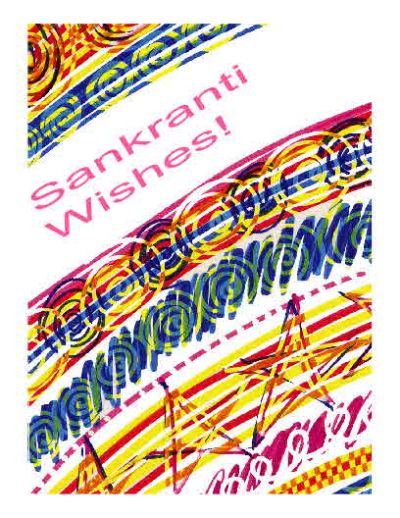
Welcome Sankranti
Traditional cards for Makar Sankranti
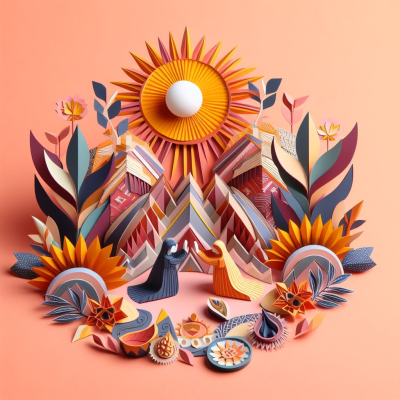
Send Cards
Modern art card showing spirit of Sankranti